Trophy Redfish Catch Midway GA Charter
Redfish Fishing in Midway - What to Expect

Fishing Charter by Captain Hector Soto in April
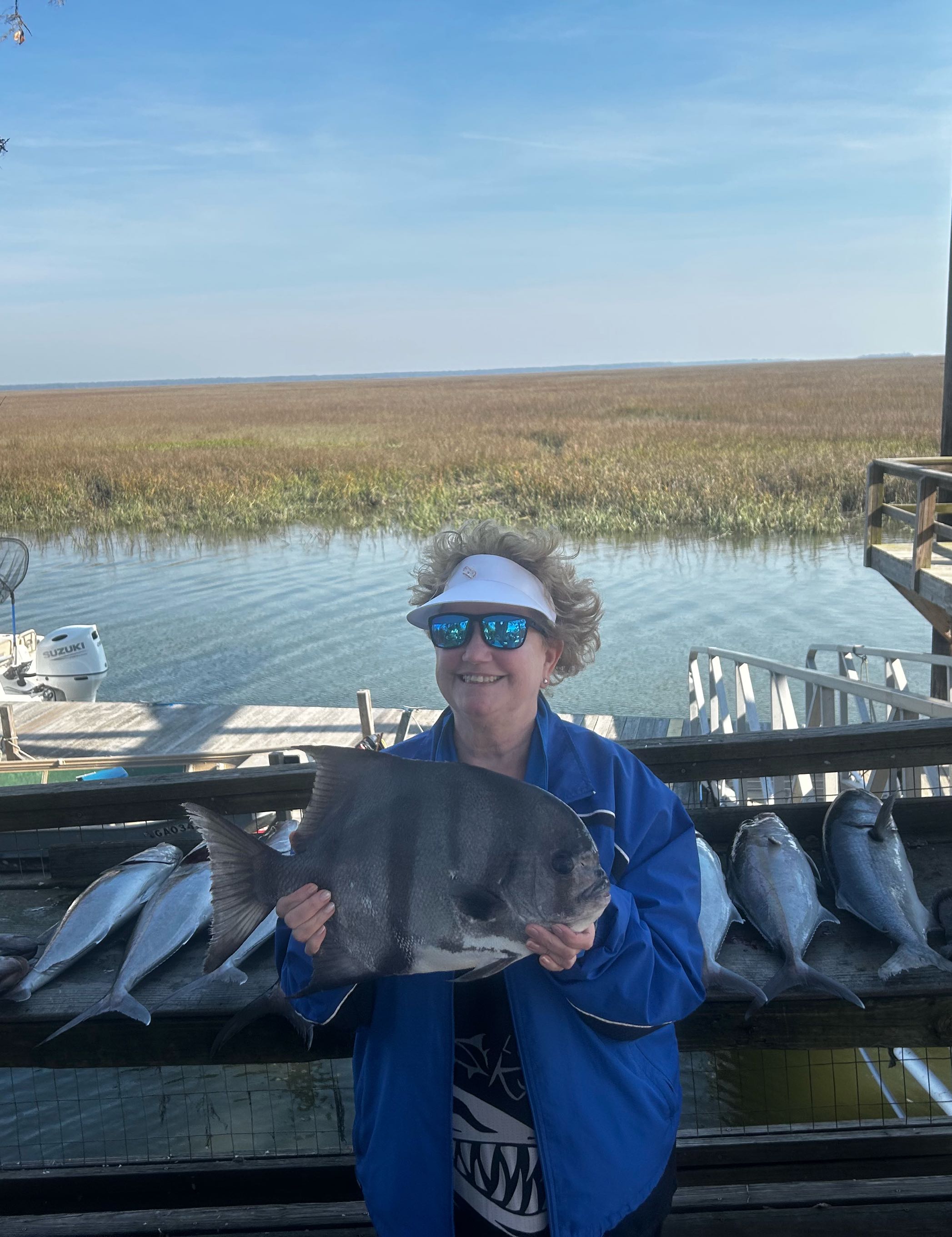
- Stellar Fishing Experience in Midway, Georgia!


Summary
Join Captain Hector Soto on a Monday in April for an exceptional fishing charter targeting redfish in the productive waters around Midway, GA. This fishing charter offers a chance to pursue one of the Southeast's most prized inshore species in pristine coastal habitat.
Fishing Charter with Captain Hector Soto - Rates & Booking
Captain Hector Soto of Stellar Charters leads redfish fishing charters in the Midway area on Monday in April, offering anglers access to some of Georgia's most productive inshore fishery. With years of experience navigating these coastal waters, Captain Soto provides expert guidance to both novice and experienced anglers seeking trophy redfish. The fishing charter is designed to maximize your time on the water while ensuring you have the knowledge and technique needed to succeed.
To book your fishing charter or inquire about rates, availability, and specific inclusions, contact Stellar Charters directly. Captain Soto customizes each trip to match your skill level and fishing preferences, ensuring a rewarding experience on the water.
Highlights of Redfish Fishing Charters
Redfish present one of the most exciting inshore challenges in Georgia's coastal waters. These powerful fighters deliver consistent action and require skill to land, making them a favorite among charter clients. The Midway area provides ideal habitat and water conditions for pursuing these aggressive species throughout the season.
Fishing with Captain Soto means gaining insider knowledge of local patterns, productive zones, and the seasonal behaviors that make redfish fishing successful. His familiarity with the tidal systems, shallow flats, and deeper cuts gives you a distinct advantage when hunting trophy reds.
Local Species Insights: Redfish
Redfish, also known as red drum, are aggressive inshore predators that thrive in Georgia's coastal ecosystem. These robust fish are built for power, featuring a distinctive reddish coloration and a prominent black spot near their tail. What makes redfish particularly rewarding is their strong fighting ability and the varied techniques required to fool them.
In the Midway area, redfish inhabit shallow flats, marsh edges, and deeper channels depending on tide and season. They hunt using a keen sense of smell and lateral line detection, making them responsive to live bait and well-presented artificial lures. Redfish are often found in small groups or schools, and locating one frequently means multiple opportunities in the same area.
These fish can reach impressive sizes, with trophy redfish exceeding 30 pounds not uncommon in these waters. The combination of their abundance, aggressive feeding behavior, and impressive fight makes them a primary target for anglers throughout the region. Captain Soto's understanding of redfish habitat and behavior patterns directly translates to more productive fishing days and better success rates for his clients.
The fishing charter experience around Midway showcases what makes coastal Georgia fishing special. The shallow waters surrounding Midway support a healthy redfish population while offering the accessibility and convenience that make for memorable fishing days. Whether you are pursuing your first redfish or seeking trophy-class individuals, the local waters deliver consistent opportunities and genuine challenge.
Fishing in Savannah: Redfish
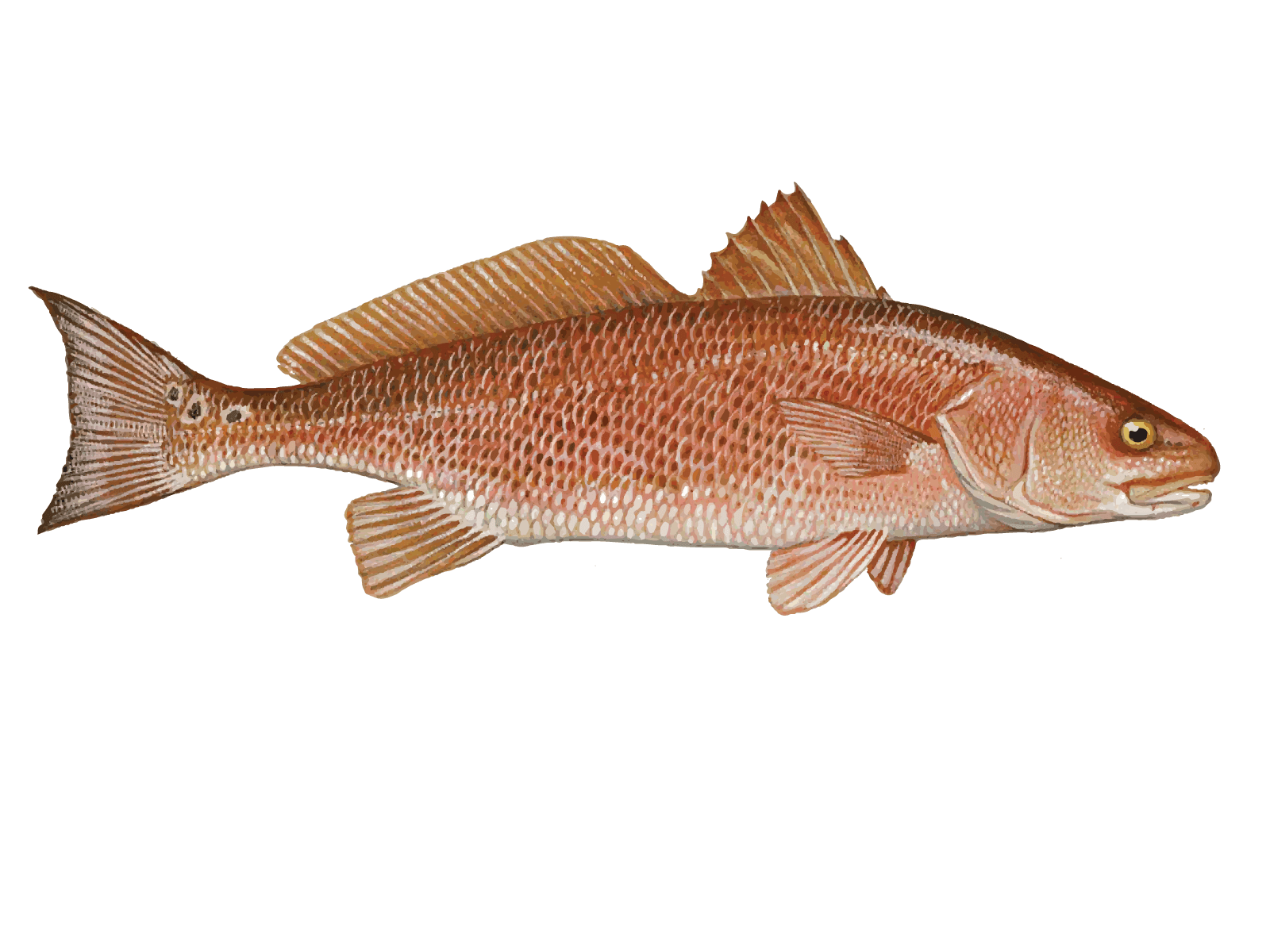
The Redfish (Sciaenops ocellatus), commonly known as Red Drum, belongs to the family Sciaenidae within the order Perciformes and stands as one of the most sought-after inshore game fish along the Atlantic coast. Distinguished by their characteristic copper-bronze coloration that fades to white on the belly and one or more distinctive black eyespots near the tail, these remarkable fish have captivated anglers for generations. The eyespots serve as a fascinating evolutionary adaptation, confusing predators into attacking the tail end rather than the head, allowing for quick escapes. With lifespans reaching up to 40 years and females capable of producing up to 3 million eggs in a single spawning event, Red Drum represent both resilience and abundance in coastal ecosystems.
Redfish Overview
Red Drum are quintessential shallow-water predators that thrive in the dynamic environments where fresh and saltwater meet. Found throughout the Atlantic coast from Massachusetts to northern Mexico, including the entire Gulf of Mexico, these fish have become synonymous with flats fishing and sight fishing opportunities. Their preference for extremely shallow water, often with their backs exposed above the surface, makes them ideal targets for both novice and experienced anglers. The species gained significant conservation attention in the 1980s when commercial overfishing threatened populations, leading to strict regulations that have successfully restored their numbers across most of their range.
Redfish Habitat and Distribution
These adaptable fish inhabit a diverse range of coastal environments, showing a strong preference for shallow bays, oyster reefs, grass flats, lagoons, and tidal creeks. They typically favor depths between 1 and 4 feet, though larger specimens venture into deeper nearshore waters. Red Drum demonstrate remarkable versatility in bottom preferences, thriving over mud, sand, and shell substrates while utilizing both natural vegetation like seagrass beds and artificial structures such as docks, piers, and jetties. Their distribution extends from the Chesapeake Bay region down through Florida and across the Gulf Coast, with some of the most productive fisheries found in Louisiana, Texas, North Carolina, and South Carolina waters.
Redfish Size and Weight
Adult Red Drum typically range from 30 to 61 inches in length, with weights commonly falling between 10 and 45 pounds, though exceptional specimens can exceed these parameters significantly. Sexual dimorphism is evident in mature fish, with females generally growing larger than males, averaging 33 inches compared to the male average of 28 inches. The species reaches sexual maturity between 3 to 5 years of age, after which growth rates vary considerably based on geographic location and environmental conditions. The current world record stands at an impressive 94 pounds 2 ounces, caught off the North Carolina coast, demonstrating the true potential size these fish can achieve in optimal conditions.
Redfish Diet and Behavior
Red Drum are opportunistic predators with voracious appetites, feeding primarily on crustaceans, mollusks, and small fish. Their diet includes blue crabs, shrimp, mullet, menhaden, and various bottom-dwelling invertebrates. They exhibit interesting feeding behaviors, often creating muddy plumes while rooting through soft bottoms in search of prey, a behavior that makes them visible to sight-fishing anglers. These fish demonstrate strong site fidelity, typically remaining within relatively small home ranges throughout their lives. They are most active during dawn and dusk periods, though feeding can occur throughout the day depending on tidal movements, weather conditions, and prey availability.
Redfish Spawning and Seasonal Activity
Spawning occurs in nearshore waters from late summer through early fall, typically between August and November, with peak activity varying by latitude. Mature fish migrate from their inshore habitats to deeper coastal waters where females release massive quantities of eggs in multiple spawning events. The fertilized eggs drift with currents for approximately 24 hours before hatching, with larvae eventually recruiting to shallow estuarine nursery areas. Seasonal movements are generally limited, though some populations show patterns of moving to slightly deeper water during extreme cold weather events. Juvenile fish remain in shallow nursery areas for their first few years before joining adult populations.
Redfish Techniques for Observation and Capture
Sight fishing represents the pinnacle of Red Drum angling, requiring polarized sunglasses, shallow-draft boats or wading gear, and the ability to spot fish in skinny water. Successful techniques include using topwater plugs like walk-the-dog style lures, soft plastic jigs resembling shrimp or crabs, and live bait such as shrimp, crabs, or cut mullet. Fly fishing enthusiasts achieve excellent results with weedless patterns in the 3 to 6-inch range, particularly crab and shrimp imitations. Around popular fishing destinations like Charleston, South Carolina, local guides recommend focusing on oyster bars during moving tides and grass flats during slack water periods. The key to consistent success lies in understanding tidal movements, as these fish are most active and predictable when water is moving.
Redfish Culinary and Utilization Notes
Red Drum offer excellent table fare when properly handled and prepared, featuring mild, slightly sweet white meat with a firm texture that adapts well to various cooking methods. The flesh contains high levels of protein and beneficial omega-3 fatty acids, along with essential vitamins and minerals including B12 and selenium. Smaller fish, often called "rat reds," typically provide the best eating quality, while larger breeding-size fish are often released to maintain population health. Popular preparation methods include grilling, blackening, baking, and frying, with the versatile meat absorbing seasonings and marinades effectively. Sustainable harvesting practices and adherence to size and bag limits ensure continued availability of this valuable food fish for future generations.
Redfish Frequently Asked Questions
Q: What is the best bait for catching Red Drum?
A: Live or fresh-dead shrimp consistently produces excellent results, followed closely by blue crab and cut mullet. For artificial lures, topwater plugs during low-light conditions and soft plastic jigs worked slowly along the bottom are highly effective choices that mimic natural prey items.
Q: Where can I find Red Drum near coastal areas?
A: Focus your efforts on shallow grass flats, oyster bars, tidal creeks, and areas where structure meets open water. Look for moving water during tide changes, and don't overlook extremely shallow areas where fish may be "tailing" or feeding with their backs exposed above the surface.
Q: Is Red Drum good to eat?
A: Absolutely, Red Drum provides excellent table fare with mild, sweet-tasting white meat that works well with various cooking methods. Smaller fish typically offer the best eating quality, while many anglers practice catch-and-release with larger breeding-size specimens to support population sustainability.
Q: When is the best time to catch Red Drum?
A: Early morning and late afternoon generally provide the most productive fishing, coinciding with natural feeding periods. Spring and fall months often yield the most consistent action, though these fish can be caught year-round in most of their range, with activity levels influenced by water temperature and tidal movements.